



When you place your health in the hands of medical professionals, you trust that they will provide competent and appropriate care. When that standard is not met, providers rarely acknowledge the failure, often leaving patients and families to wonder whether a devastating outcome was unavoidable or the result of preventable negligence. Stoops Law Firm helps patients and families across Colorado uncover the truth and pursue accountability for medical malpractice.
Medical malpractice cases are among the most complex and heavily defended personal injury claims. They require detailed medical investigation, qualified expert testimony, and a law firm that’s prepared to fight back.
Start With a Free Case EvaluationWhat Is Medical Malpractice?
Medical malpractice occurs when a healthcare provider fails to meet the accepted standard of care, and that failure causes injury. Healthcare providers owe patients a duty to act with the skill, care, and judgment expected of a reasonably careful physician in the same specialty under similar circumstances.
Not every poor medical outcome is malpractice. In short, a valid medical malpractice claim must show:
- The provider breached the standard of care, and
- The patient suffered damages as a result of the breach
Because these cases depend heavily on medical evidence and expert testimony, working with an experienced medical malpractice attorney in Colorado is critical.
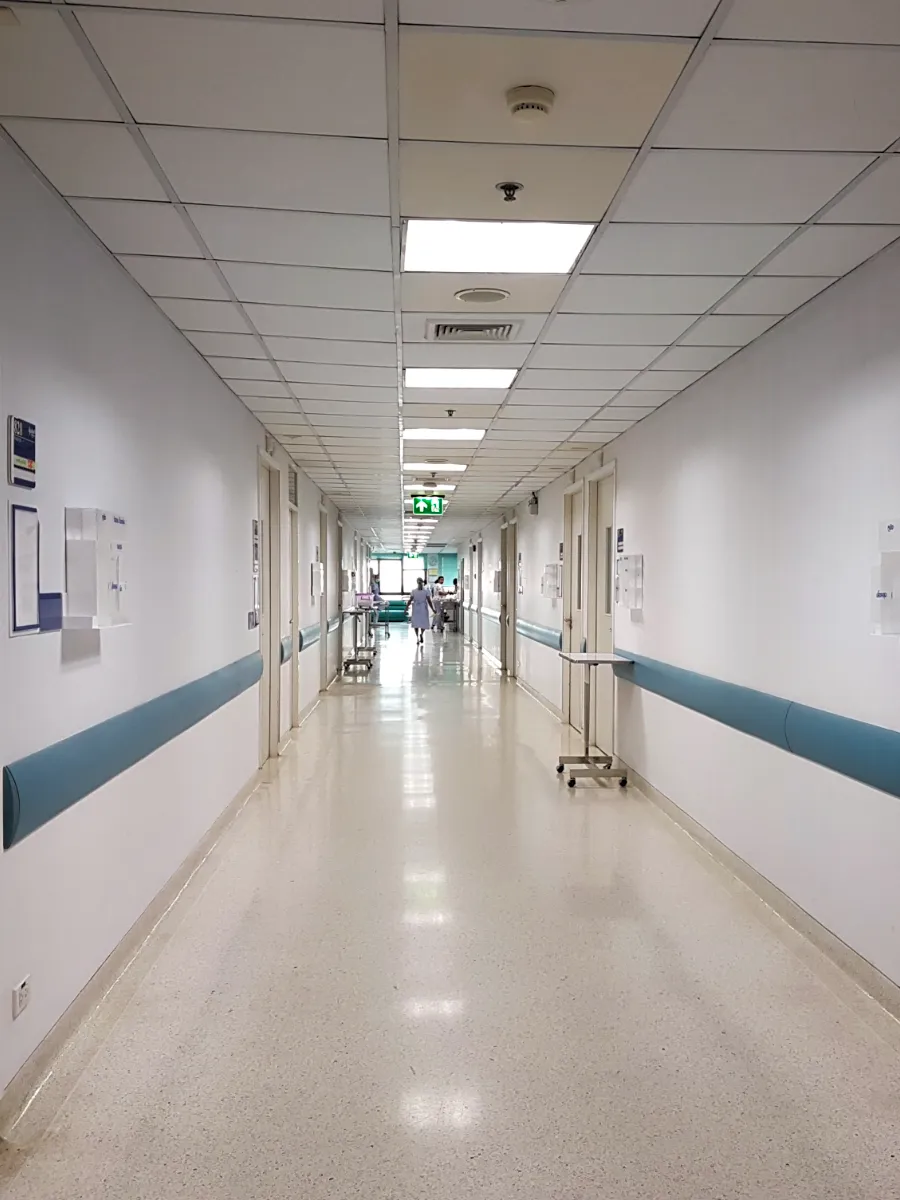
Common Types of Medical Malpractice Cases We Handle
Stoops Law Firm represents clients in a wide range of medical malpractice and hospital negligence matters, including:
- Surgical Errors: Wrong-site surgery, retained surgical instruments, or avoidable operative complications.
- Misdiagnosis and Delayed Diagnosis: Failure to timely diagnose cancer, heart attack, stroke, infection, or other serious conditions.
- Medication Errors: Incorrect prescriptions, dosage mistakes, dangerous drug interactions, or pharmacy errors.
- Anesthesia Errors: Improper administration, inadequate monitoring, or delayed response to anesthesia complications.
- Hospital Negligence: Unsafe conditions, inadequate staffing, poor communication, or failure to follow established protocols.
- Failure to Treat or Monitor: Ignoring symptoms, premature discharge, or failure to provide appropriate follow-up care.